
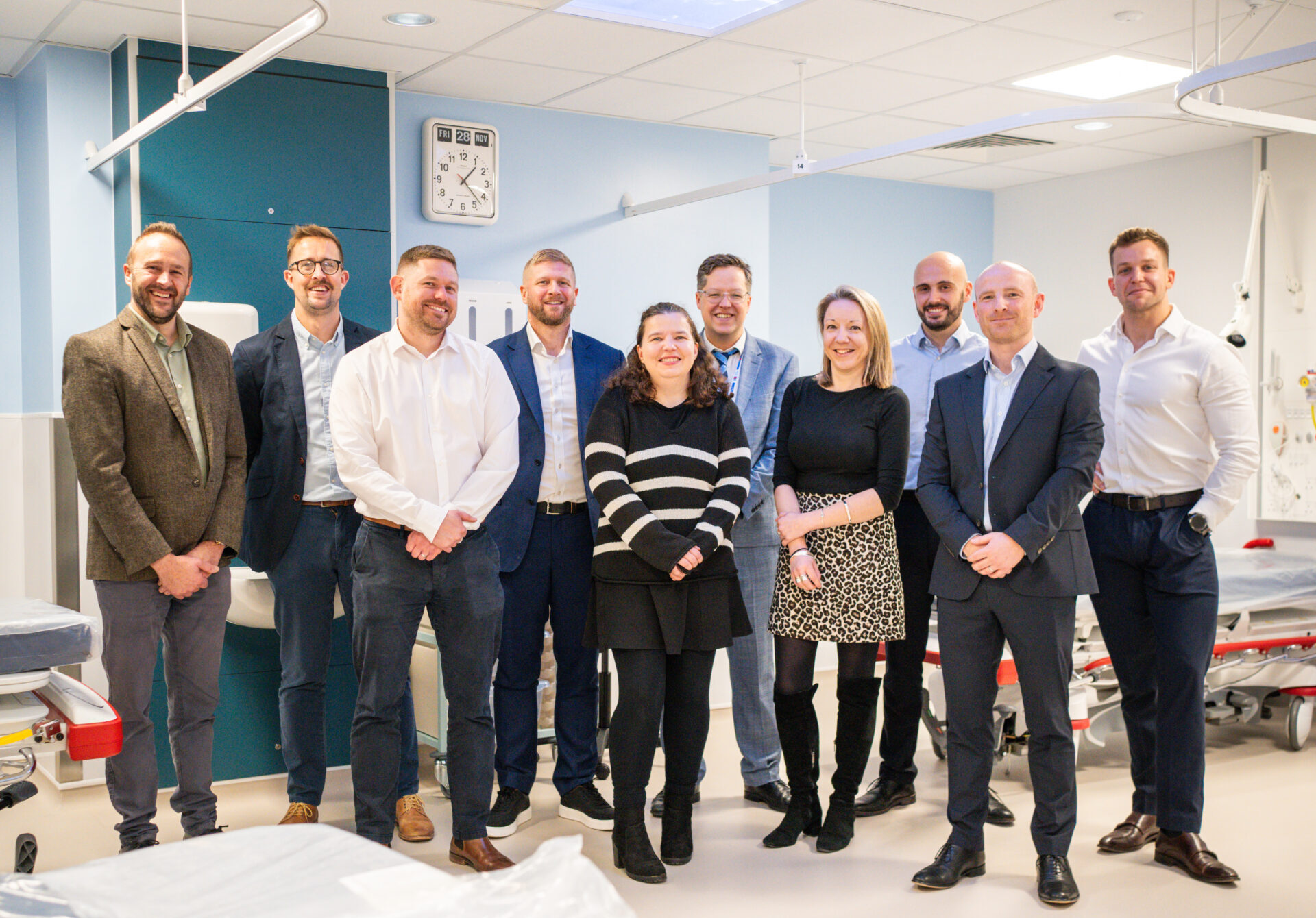

Will Walkinton, Healthcare lead at Willmott Dixon Interiors, explores how a refurbishment at Royal Sussex County Hospital addressed the imbalance between capacity and demand.
Key Takeaways
- Improving patient flow is essential to reducing pressure on A&E departments and increasing hospital capacity.
- The Royal Sussex County Hospital AMU refurbishment created modern assessment spaces that support faster diagnosis, treatment, and more efficient patient pathways.
- Hospital refurbishment can increase capacity without new-build construction, helping NHS trusts modernise ageing estates while maintaining clinical services.
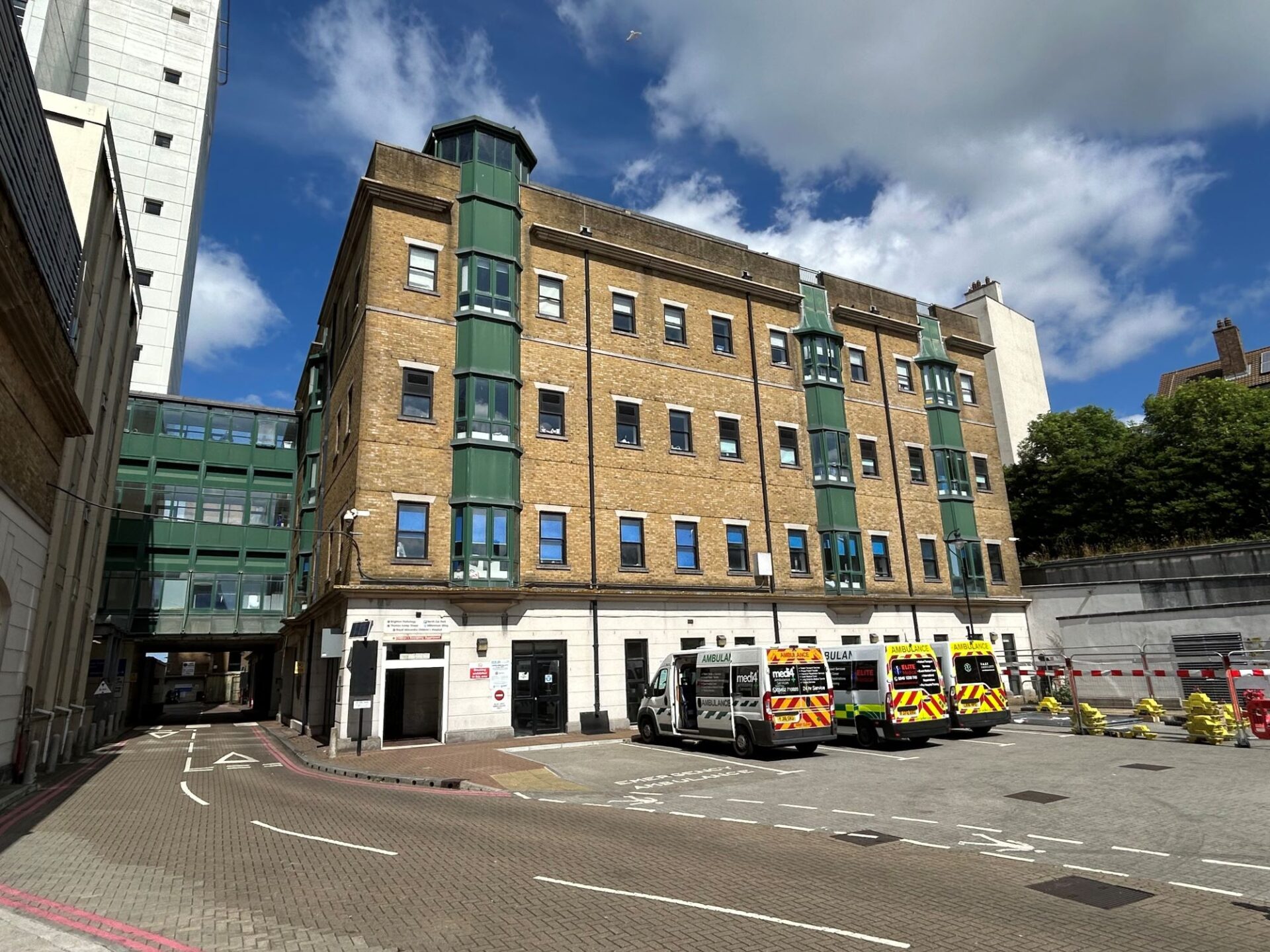
As of January 2026, there were 71,500 patients in England who waited more than 12 hours in A&E for a hospital bed, and that figure is a record monthly high. At the same time, only 72.5% of A&E patients were seen, admitted or discharged within four hours, falling short of the March 2026 target of 78%.
We’re seeing that patient flow remains under pressure, with general and acute bed occupancy consistently exceeding 90%. Beds remain occupied, meaning emergency departments become congested and waiting times increase. The central issue here is how patients move through hospitals, how beds are utilised, and how infrastructure either enables or constrains that movement.
Why Patient Flow Is Critical to Hospital Capacity
When beds are occupied by patients who could safely be monitored at home, if appropriate infrastructure and support were in place, critical capacity is lost. Yet discharge cannot be rushed without safeguards.
This tension between bed allocation and social care availability makes infrastructure design pivotal. Hospitals must create environments that enable clinicians to:
- Rapidly assess and stream patients
- Provide diagnostics without unnecessary admission
- Separate critically ill patients from those requiring short-term intervention
- Maintain 24/7 throughput across emergency and acute services
- Revamping acute facilities
Awarded through the SCAPE framework, the refurbishment of the Acute Medical Unit (AMU) at the Royal Sussex County Hospital formed part of a wider reconfiguration aimed at increasing capacity and improving operational efficiency.
Also read: Celebration marks completion of £12m A&E expansion at Royal Sussex County Hospital
Like many emergency departments across England, much of Royal Sussex Hospital’s infrastructure dated back to the 1970s, when services were designed for a smaller population and a different model of care.
Andy Heeps, Chief Executive of University Hospitals Sussex NHS Foundation Trust, said:
“We need to change the way that patients flow through our hospitals. We need to make sure that we’re well staffed on our wards so that we can look after patients and then get them home once their treatment is completed. And if we can do all of those things, we will have a department that people will be proud of.”
The hospital’s acute floor was rethought to create dedicated medical assessment spaces, improve internal circulation, and upgrade clinical environments for both patients and staff. Works included a full replacement of mechanical, electrical and public health systems, alongside refurbished and new air-handling plant.
Crucially, we delivered this work while the hospital remained fully operational, minimising disruption and maintaining patient safety throughout construction.
Refurbishing the Royal Sussex AMU to Improve Patient Care
The new AMU provides a dedicated space for patients who require urgent medical assessment, scans and blood tests but do not need to be admitted to a hospital bed or wait within A&E. Operating 24 hours a day, seven days a week, the unit helps alleviate pressure on the emergency department while ensuring patients receive timely assessment and treatment.
More than 100 nurses and 40 doctors work within the new acute medical service, providing rapid assessment and treatment in an environment designed specifically to support modern clinical workflows.
The refurbishment has delivered tangible improvements to both patient experience and operational performance:
- Expanded Acute Floor capacity to better support critical patients and rising demand
- Redesigned layouts that improve patient flow and clinical adjacencies
- Modernised facilities that support NHS teams delivering high standards of care
- £10 million in social return on investment, including wellbeing workshops for NHS staff across the Trust
Future-Proofing Hospitals Through Refurbishment
Acute medical services must be approached with an understanding of the pressures shaping modern healthcare: higher patient volumes, an ageing population, constrained social care capacity and changing public expectations.
Projects like the refurbishment of Royal Sussex County Hospital’s AMU demonstrate how these pressures can be addressed through infrastructure. Through my experience on health projects, I’ve seen that refurbishment plays a critical role in helping hospitals adapt, enabling patients to move through the system more efficiently while maintaining safe, high-quality care.
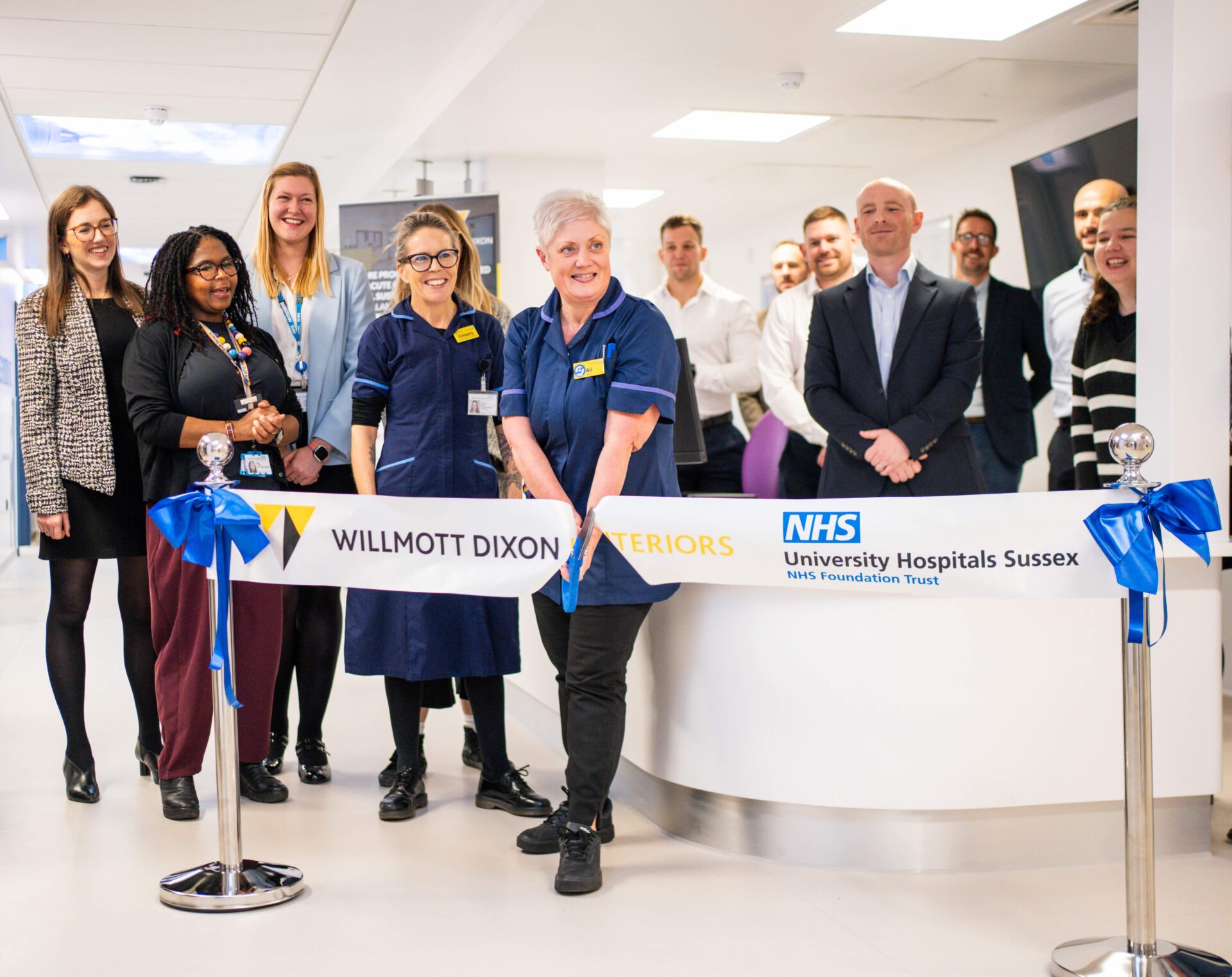
Willmott Dixon Interiors’ Approach to Hospital Refurbishment
Delivering successful hospital refurbishment projects requires more than construction expertise. Working in live clinical environments demands careful planning, close collaboration with NHS teams, and an approach that prioritises patient safety while maintaining day-to-day operations.
As a leading refurbishment contractor, Willmott Dixon Interiors delivers healthcare fit-out and refurbishment projects that improve clinical environments, support operational efficiency, and minimise disruption during construction.
From early project involvement through to completion, the team works alongside healthcare providers to create adaptable spaces that meet the evolving demands of modern healthcare.