

In January 2026, the Government announced a £1.5 billion investment to safeguard more than 1,000 arts, heritage, and library venues across England. Focused on urgent capital repairs and improving community access, this funding represents a significant opportunity for cultural organisations to secure their estates and strengthen their long term sustainability.
For those responsible for delivering refurbishment and fit-out projects, the priority now is turning funding into tangible results.
Key Takeaways
- £1.5 billion will be invested to protect over 1,000 cultural venues, including museums, libraries, arts spaces, and heritage buildings.
- Major allocations include £760 million for museums, £425 million for creative and arts venues, and £230 million for heritage buildings.
- Funding is targeted at urgent repairs, maintenance backlogs, sustainability improvements, and expanding public access.
- Early planning and experienced delivery partners will be essential to maximise impact and ensure compliance.
£1.5 Billion Package Explained
The Department for Culture, Media and Sport has confirmed a comprehensive funding package designed to address years of underinvestment in England’s cultural infrastructure. The focus is on critical maintenance, estate renewal, and ensuring valued community assets remain open, accessible, and financially resilient.
The funding breakdown is as follows:
| Funding Stream | Allocation | Purpose |
|---|---|---|
| Museums Infrastructure (National & DCMS Sponsored) | £600 million | Critical maintenance, estate works, infrastructure upgrades |
| Local & Regional Museums | £160 million | Maintenance backlogs, estate development, and transformation support |
| Creative Foundations Fund | £425 million | Capital projects across approximately 300 arts venues |
| Heritage Buildings | £230 million | Repairs, conservation, revival of historic buildings and places of worship |
| Libraries Improvement Fund | £27.5 million | Upgrades to buildings and technology in public libraries |
| National Portfolio Organisations (Arts Council England) | £80 million | Capital improvements to support arts activity nationwide |
What This Means for Heritage and Leisure Organisations
For heritage and leisure organisations, this funding creates both opportunity and urgency.
Many venues are managing ageing estates, compliance pressures, and rising operational costs. Maintenance backlogs, outdated mechanical and electrical systems, and limited accessibility can restrict programming and reduce visitor confidence. Access to capital funding enables organisations to address these challenges head-on.
Strategic investment can:
- Resolve critical structural and building services issues.
- Enhance accessibility and inclusivity.
- Improve energy performance and reduce long-term operating costs.
- Reconfigure spaces to support modern, flexible use.
However, funding will come with governance requirements, performance expectations, and tight delivery timescales. Robust project planning and experienced refurbishment contractors, such as Willmott Dixon Interiors, will be essential to achieving value for money and lasting impact.
How Willmott Dixon Interiors Can Support Delivery
Securing government funding is only the start. Delivering successful projects requires specialist expertise, careful planning, and a proven partner with experience in complex cultural environments. With 174 years of heritage and a recent ranking of fourth in the UK fit-out league table, Willmott Dixon Interiors brings the capability and confidence customers need at this critical stage.
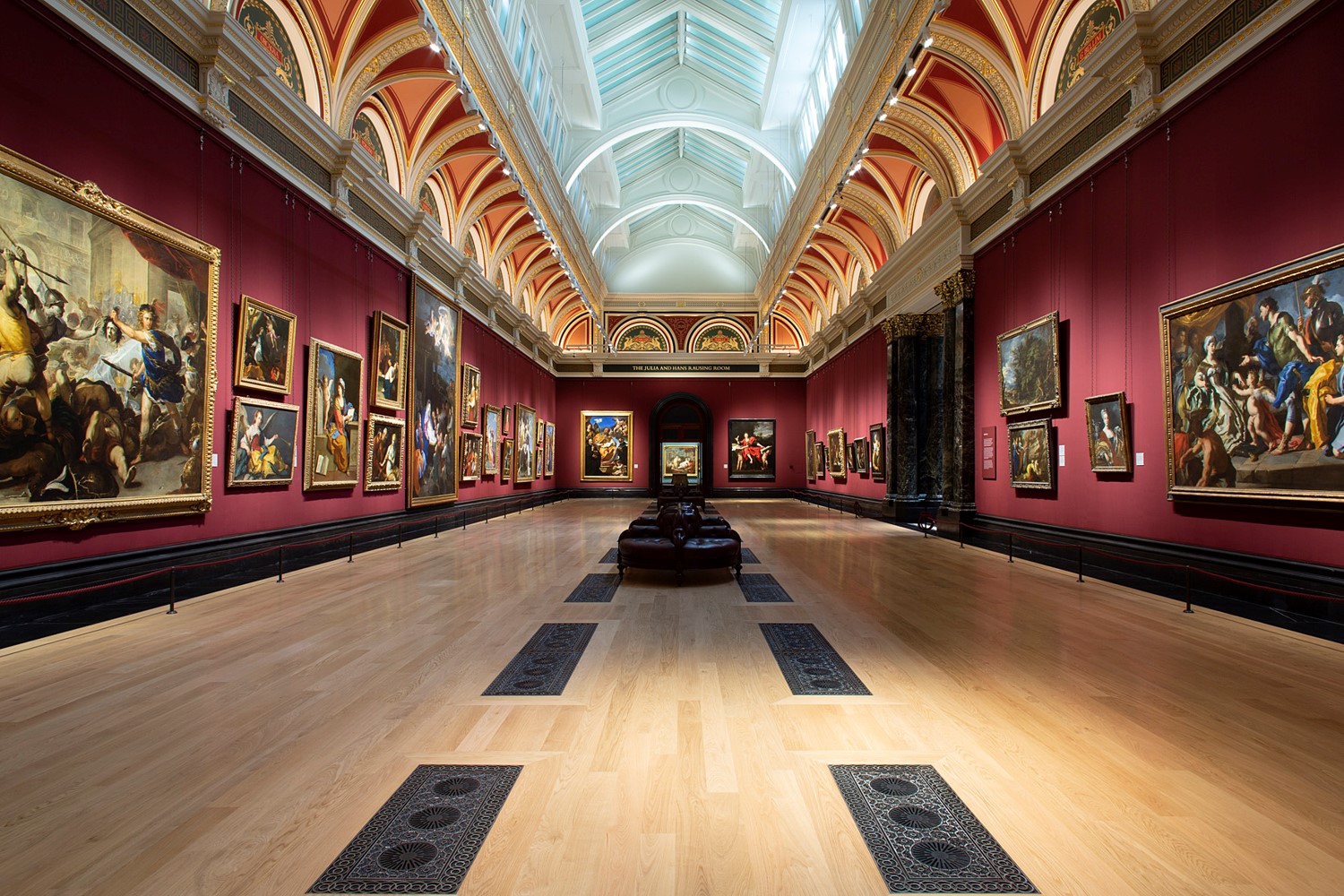
Our track record across landmark cultural institutions demonstrates our ability to manage sensitive refurbishments within live, high-profile settings:
- National Maritime Museum: Refurbished Ocean Court, installing 2,550 sq m of solar glazing and upgrading building services within a Grade I listed setting.
- The National Gallery: Delivered gallery and office refurbishments, including major lightwell works, in a live, high-security environment.
- Design Museum: Completed the fit-out of its Grade II-listed Kensington home, creating galleries, learning spaces, and public areas.
Our teams understand how to protect historic fabric, manage stakeholder expectations, and phase works to minimise disruption, while meeting the compliance standards attached to publicly funded investment.
Adam Worrall, Managing Director of Willmott Dixon Interiors, explains:
“We understand both the cultural value of these places and the technical challenges involved in upgrading them. Our role is to help customers make the most of funding opportunities by delivering fit outs and refurbishments that protect heritage, improve performance, and create welcoming spaces for communities.”
If you are preparing to invest in repairs or upgrades to a cultural building, partnering with an experienced interior fit-out specialist will help ensure funding translates into long term value. Willmott Dixon Interiors is ready to support you from early planning through to successful delivery.