

Buildings are no longer judged solely on their appearance and efficiency; they are now expected to support an occupant’s physical and mental health. This is where WELL Building Standard certification plays a significant role – by providing a clear framework for creating people-first spaces that prioritise well-being.
Our team has also explored the features, benefits, and assessment criteria behind other leading sustainability accreditations, including Fitwel Certification, WiredScore, NABERS UK, and BREEAM.
Key Takeaways
- WELL is a global certification focused on designing and operating buildings that support human health and well-being.
- WELL v2 offers a flexible, performance-based framework built around ten core concepts, including air, water, light, sound, movement, and community.
- Certification levels range from Bronze to Platinum, with higher tiers recognising advanced performance and leadership in occupant health.
- Willmott Dixon Interiors integrates WELL principles into refurbishment and fit-out projects, helping customers create healthier, high-performing spaces.
What is WELL Building Standard?
The WELL Building Standard (WELL) is a performance-based framework for designing, constructing, and operating buildings that support human health and well-being.
Why is WELL important?
Given that people spend 80–90% of their time indoors, the quality of the spaces we occupy has a direct impact on our health, comfort, and well-being. This makes certifications like WELL essential for designing and operating buildings that support both physical and mental health.
It also enables organisations to demonstrate leadership in creating workplaces and buildings that prioritise people.
What is WELL v2?
WELL v2 is the second and latest version of the WELL Building Standard. It builds upon the foundations of the original WELL Building Standard through the introduction of a more flexible, inclusive, and optimised approach to health and wellness in buildings.
Some of the key features and improvements of WELL v2 include:
- Comprehensive framework: A single unified standard suitable for all building types, streamlining the certification process.
- Flexible scoring system: Projects can choose the strategies most relevant to their goals, context, and occupant needs.
- Focus on optimisation: Encourages continuous improvement through optional strategies designed to exceed baseline requirements.
- Global applicability: Designed to reflect cultural and geographical differences, making the standard usable worldwide.
- Integration of technology: Uses digital tools and monitoring systems to support building performance and occupant well-being.
The Ten Core Concepts of WELL
Administered by the International WELL Building Institute (IWBI), WELL sets measurable criteria across ten core concepts that work together to create healthier environments.
- Air: Improving indoor air quality by reducing pollutants, enhancing ventilation, and filtering contaminants to support occupant health.
- Water: Supporting safe water quality through filtration, regular testing, and access to clean drinking water.
- Nourishment: Encouraging healthier eating by promoting access to nutritious food and reducing reliance on heavily processed options.
- Light: Prioritising natural light and well-designed artificial lighting to support comfort, energy levels, and sleep quality.
- Movement: Integrating physical activity into daily routines through layout design, appealing stair routes, and access to fitness facilities.
- Thermal Comfort: Creating comfortable indoor conditions by managing temperature, humidity, airflow, and offering personal control where possible.
- Sound: Reducing unwanted noise and improving acoustic clarity to support concentration and communication.
- Materials: Choosing materials that limit toxins and pollutants to create healthier indoor environments.
- Mind: Supporting mental and emotional well-being through access to nature, areas for relaxation, and programmes that reduce stress.
- Community: Designing inclusive environments that foster social connection, engagement, and a strong sense of belonging.
What are the WELL Certification Levels?
There are four certification levels, which are achieved by meeting defined targets and demonstrating ongoing performance.
| Certification Level | Description |
|---|---|
| Bronze | The entry level. Awarded when a project meets the fundamental WELL prerequisites and achieves the minimum points for certification. |
| Silver | Indicates stronger performance across multiple WELL concepts. A project has met all of the WELL Building Standard’s preconditions. |
| Gold | Requires substantial performance across well-being measures and a significant number of optional features. |
| Platinum | The highest standard, reflecting leadership in health and wellness in the built environment. Projects must meet all preconditions and the majority of the optional features. |
What are the benefits of WELL?
WELL Certification delivers clear and measurable advantages for organisations and occupants. By focusing on health and performance it helps create environments that support people and strengthen long-term value.
- Improved indoor air quality: Enhanced ventilation and filtration help reduce pollutants and create healthier environments.
- Better lighting and comfort: WELL promotes high-quality lighting and improved thermal and acoustic conditions to reduce strain and distraction.
- Support for physical and mental well-being: Design features such as movement-friendly layouts, biophilia, and restorative spaces help people feel healthier and more supported.
- Increased productivity and satisfaction: Healthier, more comfortable workplaces can lead to improved focus, reduced absenteeism, and higher overall satisfaction.
- Stronger ESG and market reputation: Certification provides credible evidence of wellbeing and sustainability commitments, helping organisations stand out and appeal to occupiers, tenants, and talent.
WELL-Certified Projects from Willmott Dixon Interiors
The WELL Building Standard is being used across more than 6.28 billion square feet of space in 132 countries.
Willmott Dixon Interiors works with customers to integrate WELL principles from the earliest stages of a project. By embedding WELL-aligned features into a refurbishment or fit-out, organisations can upgrade their spaces while ensuring they support long-term health and wellbeing.
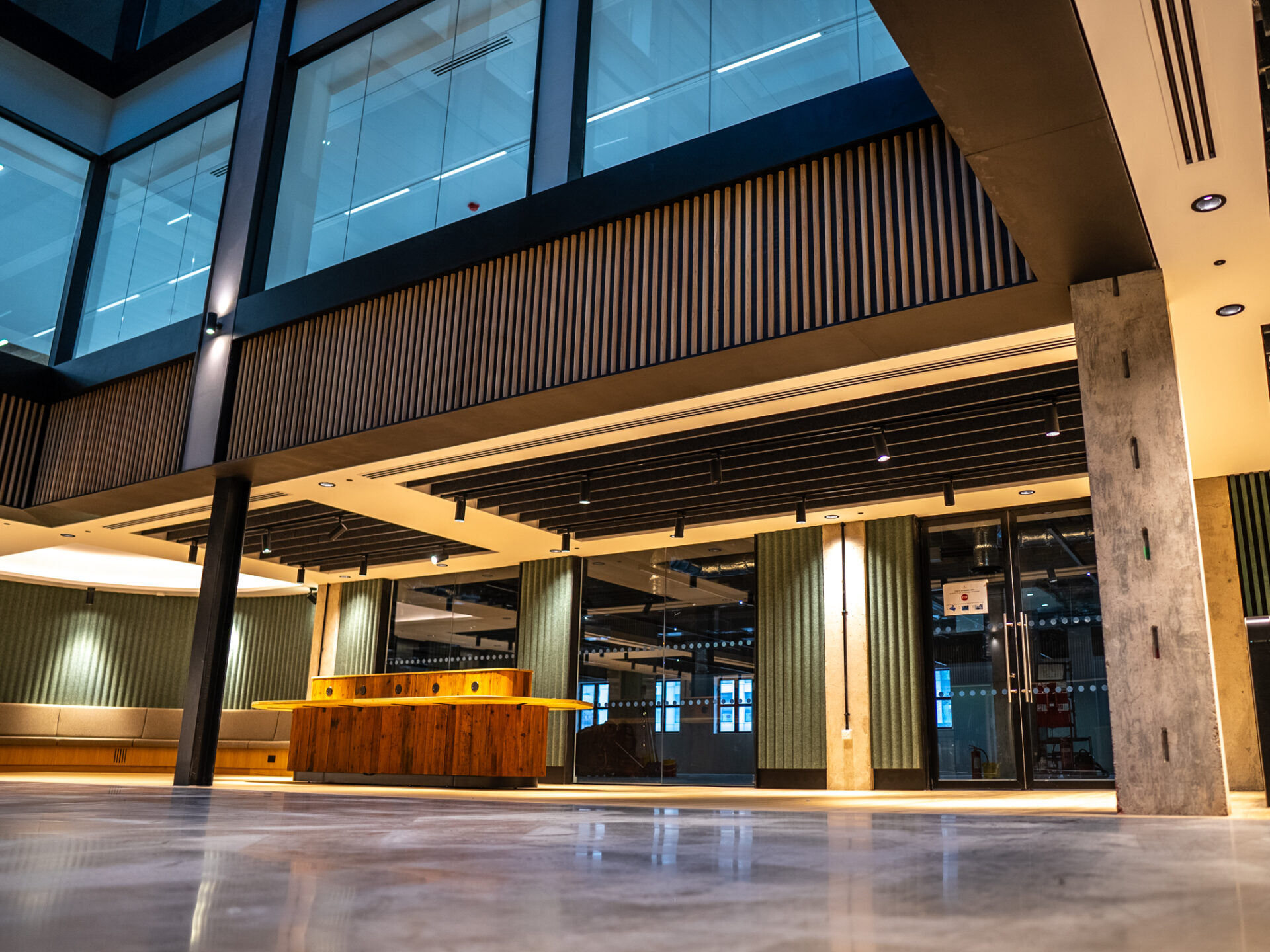
A standout example from Willmott Dixon Interiors is the CAT A refurbishment of 19 Cornwall Street, which achieved WELL Gold. The project transformed a seven-storey office block into 139,000 sq ft of SMART-enabled, net zero carbon workspace in Birmingham’s Colmore Business District.
Wellbeing-focused amenities played a key role in meeting WELL Gold, including showers, changing rooms, secure cycle storage, EV charging points, breakout areas, and a communal roof terrace. An all-electric MEP strategy with PV panels and smart controls further enhanced environmental performance and indoor comfort.
If you would like more information on how WELL principles can be incorporated into your upcoming project, Willmott Dixon Interiors can support you at every stage. Contact our team today for more information and to get started.