

Glass roofs are striking architectural features that bring in natural light, create open and welcoming spaces, and elevate the visual appeal of both public and commercial buildings. But over time, they can develop problems such as leaks, thermal inefficiency, and structural deterioration. If left unaddressed, these challenges can compromise the building’s integrity and the safety of its occupants.
Willmott Dixon Interiors specialises in refurbishing buildings across the public and commercial sectors, including glass roof systems. As experienced refurbishment contractors, we understand the technical and logistical challenges these projects can present, and we overcome them through a carefully planned and expertly delivered approach.
Common Glass Roof Applications
A glass roof is a structural glazing system designed to allow natural light into a building while also protecting it from the elements. These roofs are often used to create open, bright environments in spaces where visibility, aesthetics, and a connection to the outdoors are valued. They are found in a wide range of public, commercial, and heritage buildings, including:
- Museum atriums
- Office lobbies and communal areas
- Shopping centres
- Transport hubs and terminals
- Conservatories and gardens
The most common is an atrium roof, a large central glazed roof that covers a communal space and is commonly found in public buildings like museums and commercial offices. Famous examples include the British Museum, King’s Cross Station, and the National Maritime Museum.
Common Challenges with Glass Roofs
Over time, glass roofs can present several maintenance and performance challenges that require careful attention. If left unresolved, these obstacles can lead to structural damage, increased energy costs, and health and safety risks for occupants.
Leaks
The most common and disruptive challenge with glass roofs is leaking. This may result from degraded seals, blocked drainage systems, or cracked or misaligned glazing units. Water ingress will initially cause unappealing stains before developing into damage to interior finishes, and even lead to the deterioration of structural elements over time.
Thermal Inefficiency
Older glass installations lack the insulation properties of modern glazing systems. Single glazing or early double-glazed units allow excessive heat loss during colder months and contribute to overheating in the summer. This makes the space uncomfortable for users and places greater demand on heating and cooling systems, leading to higher energy consumption and costs.
Condensation and Humidity
When thermal insulation is insufficient, glass roofs are prone to condensation, particularly in colder weather. This can lead to moisture build-up, which damages internal surfaces and promotes the growth of mould or mildew.
Ageing Materials
The roof materials, including glass, metal, and sealant, will degrade over time due to weather exposure, UV radiation, and natural ageing. Common challenges include delamination of laminated glass, corrosion of metal frames, and the hardening or failure of flexible gaskets and sealants.
Structural Movement
Buildings naturally move and settle over time, which can create stress on the glass roof. Even minor shifts can affect alignment, causing frames to distort and seals to break. This can lead to water ingress or even cracks in the glazing.
Challenges in Refurbishing Glass Roofs
Refurbishing a glass roof, particularly when in a live, public environment, is a complex task that requires detailed planning, technical expertise, and a specialist execution. It’s much more than simply replacing panels – the process must address access, safety, conservation, and performance upgrades.
- Complex access: Working at very high levels presents logistical challenges in terms of access for inspection, repair, and replacement. Solutions may involve scaffolding, temporary platforms, and mechanical equipment.
- Minimising disruption: When refurbishment is taking place in an environment that cannot be shut down completely, an out-of-hours working schedule may need to be adopted alongside noise control measures and strict safety protocols to protect the public.
- Heritage or conservation compliance: Changes to listed and historically significant buildings require approval to ensure they meet conservation regulations. This could include replacement parts remaining visually similar to original features, while also integrating modern performance enhancements.
Tackling these challenges requires specialist knowledge, planning, and the ability to work seamlessly within sensitive environments. Willmott Dixon Interiors has the expertise to help overcome these complexities and deliver a refurbishment solution in even the most demanding settings.
Case Study: Maritime Museum Atrium Roof Replacement
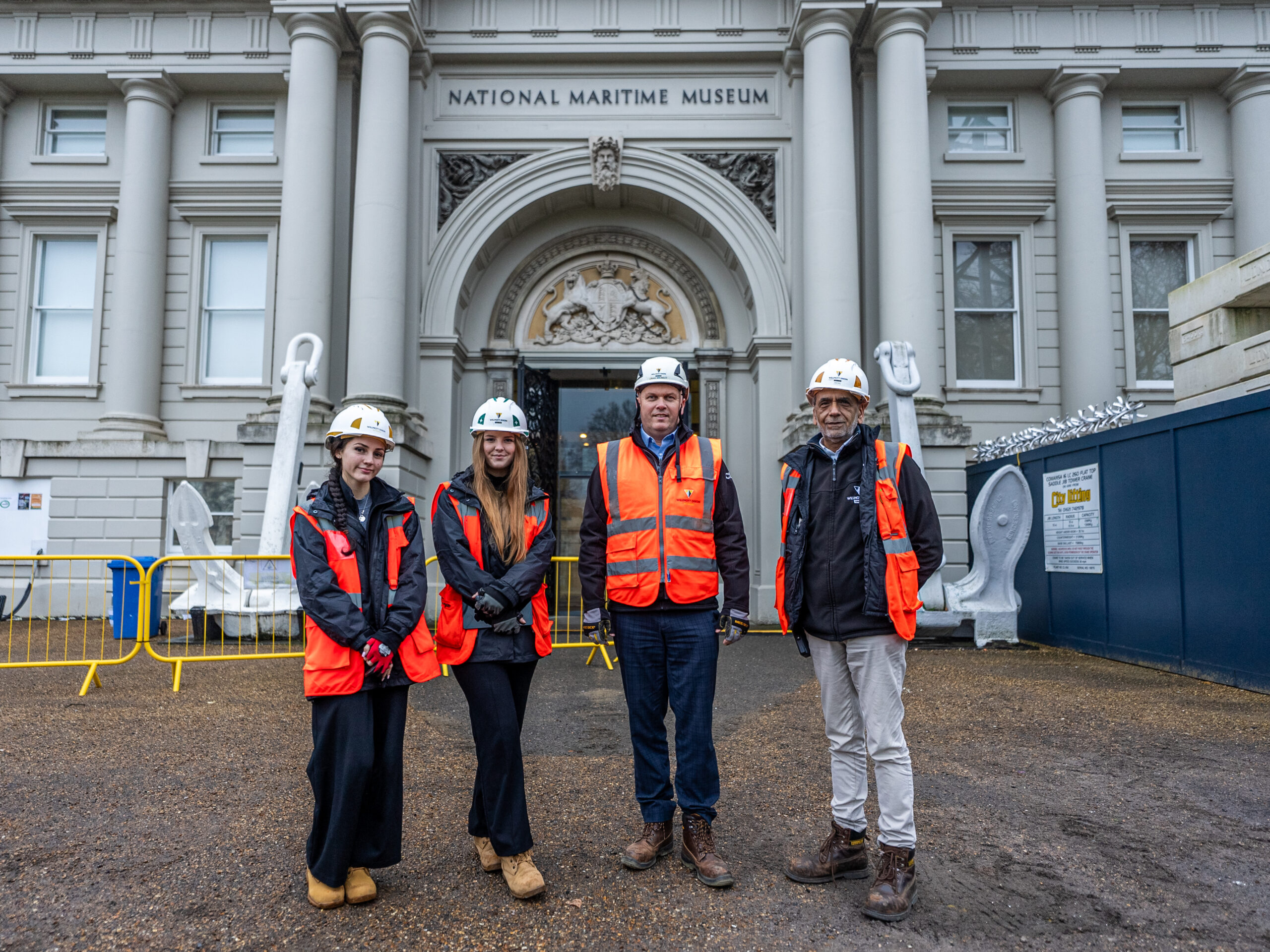
Willmott Dixon Interiors has completed a significant refurbishment at the National Maritime Museum in Greenwich, a Grade I listed building and one of London’s most important cultural institutions. The project focused on enhancing the visitor experience by replacing the museum’s ageing glass atrium roof, originally installed over 20 years ago.
Key Project Highlights
- £12 million contract delivered via the SCAPE framework
- 23,000 sq ft of new, sun-protected glazing installed
- 49-week programme completed in a live, operational environment
- Works carried out with full protection of the museum’s historic collections
The Challenge
The museum’s original atrium glazing, installed over two decades ago, was showing significant signs of deterioration. Persistent water ingress, solar heat gain, and poor thermal performance were impacting both visitor comfort and the preservation of exhibits. At the same time, ageing mechanical and electrical systems were becoming inefficient and increasingly difficult to maintain.
Project Outcome
Willmott Dixon Interiors replaced the roof with new sun-protected glazing, improving daylight control, thermal comfort, and acoustic performance. The works were carefully delivered while maintaining full protection for the museum’s collections and minimising disruption to operations.
The project also included a comprehensive mechanical & electrical (M&E) refurbishment, extending the lifespan of critical infrastructure and improving energy efficiency throughout the building. As a result, the museum now benefits from:
- A more comfortable and efficient internal environment
- Improved visitor experience
- A modernised building services system, future-proofed for the years ahead
- A refurbishment delivered with sustainability and community engagement at its core
Refurbishment Contractors: Willmott Dixon Interiors
Willmott Dixon Interiors specialise in complex refurbishment and fit-out projects across public, commercial, and heritage spaces.
Our successful transformation of the National Maritime Museum’s atrium roof showcases our expertise in managing technically challenging refurbishments, all within live, occupied spaces. With a focus on sustainability, long-term performance, and community value, we deliver results that stand the test of time.
Get in touch today to discuss your upcoming project and discover the value of working with an experienced refurbishment contractor like Willmott Dixon Interiors.